



The purpose of this site (Strawberry Plants .org) is to inspire gardeners of every type to gain an appreciation for the strawberry plant and its fruit. As a fondness for the sweet strawberry grows, we hope that many gardeners will decide to grow strawberry plants from strawberry seeds. This Strawberry Seeds page is here to help those people who want to take a strawberry seed and nurture it until it is a mature strawberry plant producing strawberries!
Jump to:
How the Strawberry Seeds Page Works
This main Strawberry Seeds page serves as a hub for anyone looking to learn about or purchase strawberry seeds. This page will help you understand everything you need to about growing strawberry plants from seed. If you don’t know where to buy strawberry seeds, you can visit our list of suppliers and seed companies who offer them for sale. Following that, we cover how to plant strawberry seeds and grow strawberry plants from seeds. And, of course, you can also read up on the fascinating details and information regarding strawberry seeds and what makes them unique.
As new information is added, links will be posted at the bottom of this page to the new strawberry seed information. Be sure to check back!
Strawberry Seeds for Sale Online
When looking to buy strawberry seeds for sale online, be sure that you choose a reputable supplier. To shop and buy strawberry seeds, use the link below to access our directory of online suppliers. If you know of an additional online supplier of strawberry seeds, please contact us, and we will gladly try to include them in our directory: Directory of Strawberry Seeds for Sale
(for strawberry plants, go here: Buy Strawberry Plants)
Growing Strawberry Plants from Strawberry Seeds
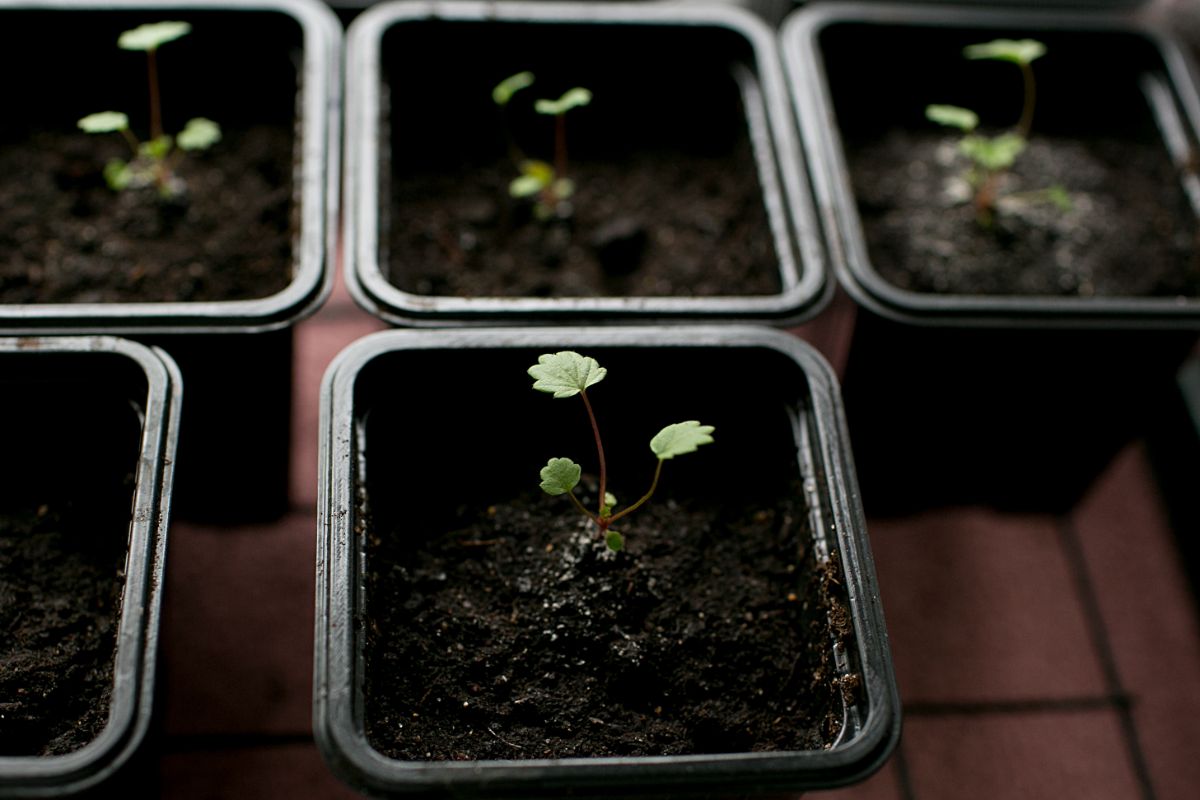
Growing strawberry plants from seed is more difficult than simply buying strawberry plants. But, it can be much more rewarding as well. Once you have a strawberry plant growing, refer to our Growing Strawberries page for guidance on how to successfully produce a strawberry crop.
Growing strawberries from seed, of course, begins with selection of your preferred Strawberry Varieties. Once you have selected the strawberry cultivar that is right for your garden and purchase the strawberry seeds, you are ready to plant. Be aware, however, that strawberry seeds from most hybrid cultivars will not reproduce true to form. Alpine varieties and heirloom seeds usually will (along with a few of the new F1 cultivars), so factor that in when planting strawberry seeds.
Many strawberry seeds need to be cold treated to encourage germination. If your selected seeds require this, fear not. It is easy. Simply wrap your seeds, put them in an airtight container, and place them in a freezer. This simulates winter conditions, and the warming period lets the seed know it is time to come to life. After keeping the strawberry seeds below freezing for two to four weeks, remove the seeds from the freezer. Leave them in the jar or container as they gradually warm up to room temperature.
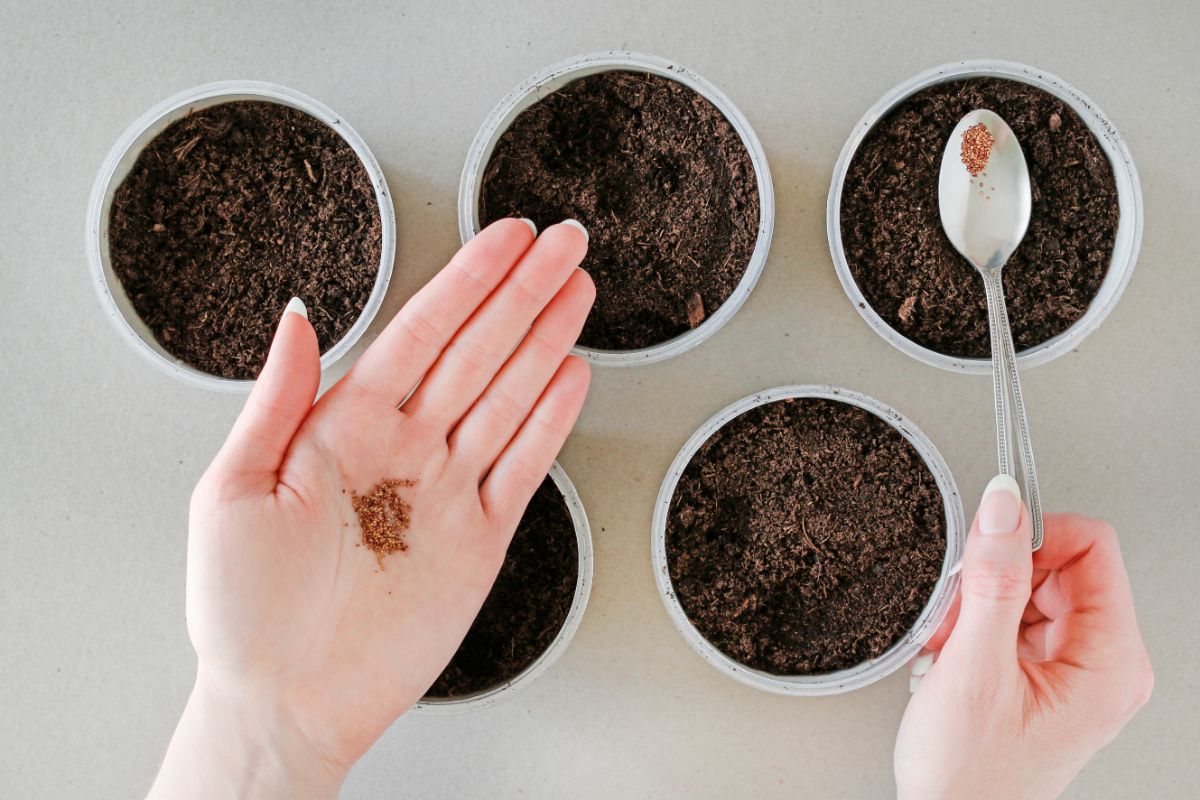
Once your strawberry seeds are at room temperature and are ready to plant, you need to create a hospitable place for your seeds to begin their journey to planthood. A seed tray works well. Obtain a seed tray and prepare it. A good mix for starting strawberry seeds is 3 parts peat to 1 part organic-rich soil. Spread this out in your seed tray to a depth of about one half of an inch.
Moisten the mixture with water until it is uniformly damp. Sprinkle your strawberry seeds over the damp mixture and then cover the seeds with a very thin dusting of peat moss. Ensure that the strawberry seeds are not completely covered and are exposed to light. Keep them indoors in a well-lighted room and in direct sunlight, if possible. In two to three weeks, the strawberry seeds should germinate.
Keep the soil moist well-lighted. Warmth can help the seeds germinate, so the top of a refrigerator or on a bottom heat pad can be suitable places for germination. If the strawberry plant seedlings aren’t in direct sunlight with supplemental light, consider providing additional artificial light. A fluorescent shop light or grow light will do the trick. Position the light source 3 to 4 inches from the seedlings, and raise the light as the strawberry plants grow. If the strawberry seeds sprout too close to each other, thin them when they are between 1 and 2 inches tall, keeping the biggest and most vigorous seedlings. Gently transfer the strawberry seedlings to larger containers or pots after they gain their 3rd leaves.
If weather allows, the strawberry seedlings can be planted directly outside, or the plants in the containers can be replanted outside. If the strawberry seeds were started indoors, the young strawberry plants need to be hardened off prior to planting outside. When the temperature rises into the 50s, begin taking the plants outside in the shade for several hours each day. Gradually increase the time the plants are outdoors, eventually leaving them outside overnight as the temperature allows. Begin moving them into the sun for increasing periods of time to finish the hardening off process prior to planting. This ensures your plants won’t be damaged or killed by their environmental changes.
It is fun to grow strawberries from seed! When you are ready to plant outside, be sure to reference the Growing Strawberries page.
Saving Strawberry Seeds
If you want to grow strawberry plants from seed, you may want to consider saving heirloom seeds from year to year (heirloom strawberry seeds are the same as non-hybrid strawberry seeds). Fortunately, it is relatively easy to learn how to save them so that you can begin growing strawberries from seeds that you saved. Here is the easy way to save your seeds:
Put your ripe strawberries into a household blender. Add one cup of water to the strawberries in the blender and blend on high for 3 to 5 seconds. Try not to exceed 5 seconds of blending time, or the seeds may be damaged. Allow the components to sit for a minute or two. The viable seeds will sink and the unviable seeds will float along with the strawberry pulp. After the good seeds settle to the bottom, pour off the bad seeds and fruit pulp with the water. Rinse the seeds and then transfer them to a paper towel (or low-heat dehydrator) to dry. When dry, store them in a cool, dry place.
If you prefer to use a non-blender method, you can try an alternative strawberry seed saving method. If you dehydrate a strawberry (or let it dry completely), you can use your thumb and forefinger to rub the strawberry so that the seeds fall off. Separate the seeds from the chaff and store in a cool, dry place.
Or, if you prefer still another method, you can also use a sieve. Take a strawberry, press the pulpy part through the sieve, and the seeds should be left in the sieve. Rinse the seeds, dry, and store the strawberry seeds for future planting.
Strawberry Seeds Information
The relationship of birds and strawberries is likely due to the prevalence of strawberry plants across the temperate world. The birds, obviously, love to eat strawberries, and the seeds generally pass through their digestive tracts intact and in good shape. As the birds defecate, they spread viable strawberry seeds far and wide.
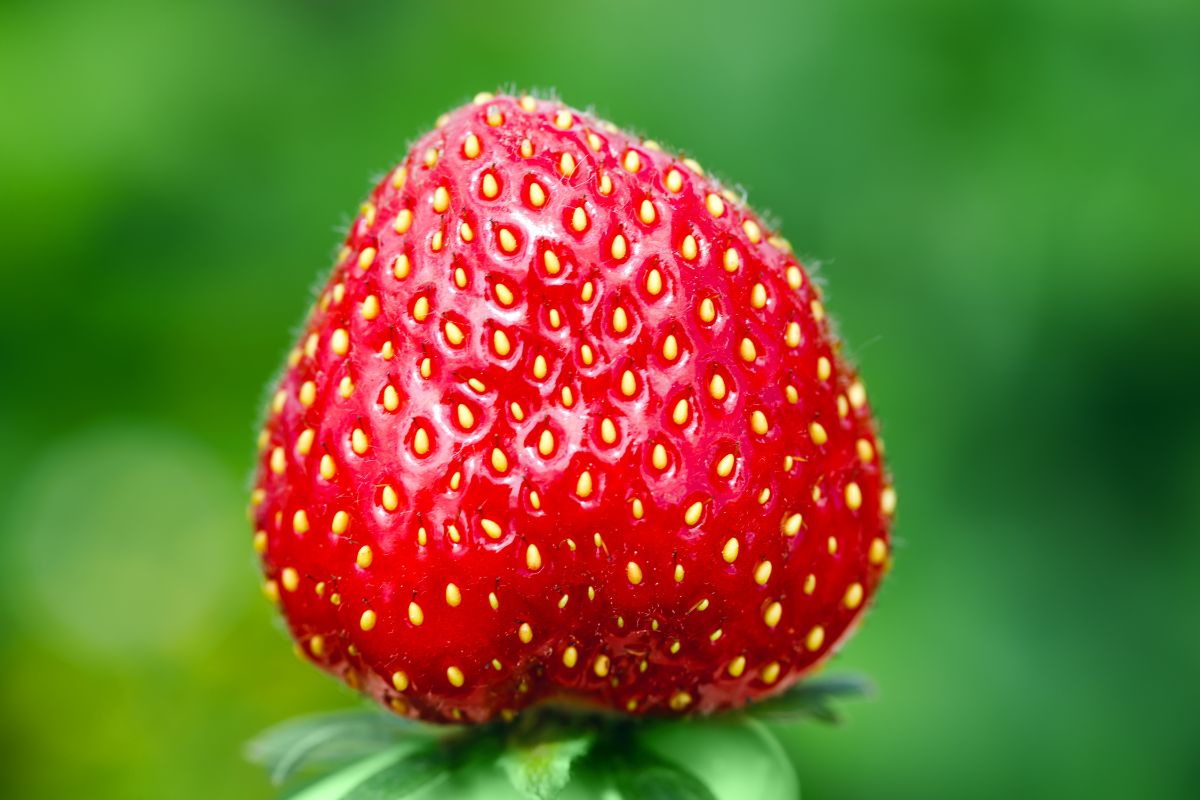
Interestingly enough, there are approximately 200 strawberry seeds adorning the outside of a strawberry. And, while often referred to as a “berry,” strawberries are not true berries like blueberries and blackberries are, and their seeds are not true “seeds.” The tasty strawberry flesh is considered accessory tissue, and those tiny flecks we all call “strawberry seeds” are actually fruits in and of themselves. The tiny fruits actually contain the seeds. These seed-containing fruits are called “achenes.” An achene is occasionally also referred to as an “akene,” “achenocarp,” or “achenium.”
The tasty strawberries are also unique in another way. Scour the earth all you want to, but you’ll not find another fruit with its seeds on its exterior surface!
Strawberry Seeds: Conclusion
Strawberry seeds give rise to the strawberry plants that produce the strawberries we all love. We think everyone should have a fond affection for the little fellows (unless, of course, you get a strawberry seed stuck in a tooth or between your gums). If you have any questions, feel free to leave a comment. And, be sure to check back as additional information is added and linked below.
More:
Pineberry Seeds
Looking for pineberry seeds for sale? If you want to grow pineberries or grow pineberries from seed, you should read this first before buying pineberry seeds online. Also has links to pineberry varieties & growing pineberries information.


R. Yaorei says
I want to grow Seascape, Albion, Cabot and Elan around 30 plants each of these in my garden from seeds. Are these hybrids or heirlooms. Please specific. Are the seeds of strawberries won’t grow without freezing in the refrigerator even if the seeds are heirlooms.
Bob Johnson says
So does anyone have a in-depth guide to grow sparkle strawberries a week from now from seedlings?
Abdifatah says
how long does it take for a strawberry plant to produce fruit?
Sola says
Hi! I live in the Seattle area of the United States.
I’m growing some Delizz strawberries from seed (from Territorial Seed) and they are doing well—soon there will be ripe berries to try. They are sending out lots of runners; will those runners be true to type? If so, why aren’t Delizz strawberries available for sale as plants, just as seeds? Should I plant the runners out this fall like we’ve done for our other strawberries?
Since I’ve had good success with starting the Delizz seed, I’m thinking about buying some Elan F1 seed. Would it be a bad idea to start the seeds in the late summer and overwinter then with frost protection blankets? Or better to start them in the early spring? I’d love to get a head start on next season and our strawberries seem to overwinter just fine.
Thanks so much for all your information!
I’m thinking about buying some
Dan says
Of the hybrid type of strawberries are there varieties that can be propagated by seed that retain the characteristics of the parent plant fairly well? If so what varieties would you recommend?
david says
No there are none
Sasha says
Hi I am from Jamaica and growing strawberries in pots, I started growing them from seed . I got 12 sprouts.l would take them outside in the morning to sun the entire day and take them back inside at night, is it OK ?
Mark says
I would like to grow strawberries in Uganda. I think this will be an experiment to start of with and I will try a few different varieties to increase the chance of success. I want to avoid Hybrids so that we can reuse the seeds, unless you know of any hybrid seeds that reproduce well after replanting. I was thinking it might be good to try ever bearing and seasonal varieties. Do you have any suggestions of suitable varieties? We are at 1,000 meters so although we are on the equator we have year round temperatures of about 20 degrees Celsius. Very new to strawberry growing so any advise would be well received.
Thanks
Mark
BambiB says
Some good information here on growing strawberries – but I haven’t seen anything like a planting guide for seeds – specifically, WHEN to plant for a given zone. I’m in zone 9 – Central Florida. Should I be planting NOW (June), waiting until later (August?) or???
Mr. Strawberry says
BambiB,
I’d go ahead and get them planted. They may require a bit of protection from the Florida heat once they germinate, but getting them established is usually best done as soon as possible. Good luck!
Ashleigh says
Hi Mr. Strawberry,
I planted some Delizz Strawberry seeds a week ago and I already have some sprouting. I’m worried I may have covered some of the seeds too much that aren’t sprouting. Would it be ok to uncover or is it too late at this point?
Thanks!
Mr. Strawberry says
Ashleigh,
I would leave them be at this point. Not all of the seeds will germinate, usually, anyway. However, Delizz is a hybrid and won’t grow true from seed. Where did you purchase them? Thanks!
sydney says
How do you get strawberry seeds from a strawberry, and if you do will a plant grow?
Mr. Strawberry says
sydney,
If you look on this page under the Saving Strawberry Seeds heading, it will tell you how. If you collect the strawberry seeds from the strawberries you buy in the store, they may or may not sprout. Those are virtually all hybrids and typically won’t grow true even if they do sprout. The heirloom strawberries or non-hybrid species will grow true from seed. Good luck!
Tangie says
I’m from Michigan, and I started growing a strawberry plant, cherry tomatoes and bell peppers all at the same time, from the actual seeds of the fruit/veggie. I’m growing them in containers, indoors, in a window that gets plenty of sun. My tomatoes and peppers have started flowering. The tomatoes have 4 little green tomatoes and lots of yellow flowers. The peppers are right behind with white flowers, no peppers yet, but the strawberry plant is just a nightmare. It’s almost as tall as the window it’s sitting in. And I’ve had to prune the heck out of it because It only seems to grow these fuzzy little bunches of green, things that keeps dropping seeds everywhere. Seeds float to my other two plants and I’ve had to cut strawberry plants out of those pots. There are also different looking leafs in my strawberry plant pot. Wish I could post an image of it. There are no flowers like the ones I see on strawberry websites. It’s not growing flowers at all. Should I dump this beast and start fresh or will it eventually grow flowers and produce fruit when the right season comes? And what are these green fuzzy things growing with all the seeds?
Mr. Strawberry says
Tangie,
It is hard to know exactly what you are talking about without seeing a picture. But, it is possible that what you are seeing isn’t even a strawberry plant. Or, is this what you are talking about? Regardless, good luck!
Alex says
Mr. Strawberry,
Do Hautbois Strawberry (Fragaria Moschata) seeds require the freezing treatment? Are they similar to Alpine Strawberry (Fragaria Vesca) in this way?
Mr. Strawberry says
Alex,
Yes, go ahead and cold stratify the seeds, and you will likely get a higher germination rate. Good luck!
Shagufta says
I stay in Saudi. My strawberry seeds has germinated. It’s Fragole strawberry Rampicanta variety. Can you say me the next step after its sprouted. It’s very hot outside say 35°C and it’s May month. The predicted temp for June and July Vl be average of 40°C to 45°C. And how long Vl it take to fruit from seeds. How many months does it take. And is the temperature favourable?
Mr. Strawberry says
Shagufta,
No, that temperature is too hot. You’ll need to keep them in a controlled climate until it cools if you want them to live and produce fruit. I’d recommend reading this. Good luck!
Jordan says
Hi new grower here, I froze 2 different seeds, probably hybrid seeds off a store-bought strawberry, and a packet purchased in a strawberry kit. I froze both. Living in Minnesota, when I take them out in May or so, its tricky getting enough sunlight here, as well as temperatures are unpredictable at best. My question is, how many hours of sunlight do my sprouts need per day, as well as what is a good amount of water/moisture for healthy growth? Thanks!
Mr. Strawberry says
Jordan,
I’d recommend reviewing the information on the Growing Strawberries reference page! Good luck!
Mattsson says
Hello!
I’m VERY new att planting anything. In history I’ve been known for killing my plastic flowers. But now I’ve got 2 kids that really likes the wildlife so I’ve been trying to grow strawberries from seeds (some climbing strawberries). Now I planted them in a glass and keep them humid under a airhumidizer standing in the window. When will I and my kids see any development (read: Green) in the glass?
Mr. Strawberry says
Mattsson,
It can take a couple of weeks for the strawberry seeds to germinate, so be patient! You also might want to be careful about the humidifier. Too much humidity can help strawberry plants get sick with fungal diseases. Good luck!
Jon says
Do strawberry seeds “expire”? I have a packet that says it needs to be sold by 12/2015 and also that it was packaged for 2015. Thanks in advance!
Mr. Strawberry says
Jon,
Sort of. Strawberry seeds (and most others) are susceptible to losing their vitality as they age. The longer each individual seed goes without germinating, the higher the chance that it will never germinate. Usually, however, in a packet of seeds, there will be a fair number that will still germinate and grow into strawberry plants, even if a lot of them don’t. Good luck!
Joey says
How much time does strawberry need to germinate ?
Mr. Strawberry says
Joey,
Most strawberry seeds will germinate within 2 weeks. Good luck!
Avinash says
Mr.Strawberry
I live in India and have purchased Alpine Strawberry seeds (Baron Von Solemacher). Do I need to cold stratify them, for how many days?, in deep freezer or otherwise.
Thanks
Avinash
Mr. Strawberry says
Avinash,
This should tell you everything you need to know about germinating strawberry seeds. Good luck!
se dadson says
Can anyone suggest a strawberry variety that will do well in zone 10?
Mr. Strawberry says
se dadson,
Zone 10 is hot for strawberries, but you may want to give Chandler a shot. It can perform well in Zone 9, and may do well for you just a bit further south. Good luck!
Caleb says
Hi,mr. Strawberry about how many seeds should i plant in a pot? And how long does it take to germinate the seeds in a freezer
Mr. Strawberry says
Caleb,
I’d recommend you review this information about seed germination. Good luck!
Seyla says
Do you know if Hokowase Strawberry Seeds need to be cold treated?
Mr. Strawberry says
Seyla,
It can’t hurt to cold treat them, but all varieties don’t have to be cold treated. It usually does increase germination rates, however. Good luck!
Atif says
Mr. Strawberry,
Excellent site. I am a newbie to this area and I had a few questions that cover various topics that you have included in your website. I have tried scanning the documents for answers, but I also thought I would ask you. Thanks for your patience.
1. I recently bought some regina strawberry seeds, the packet does not mention anything about them being preconditioned, therefore to precondition them I should place them in the freezer for a month before planting? Is that correct?
2. I live in a very hot desert climate, therefore my growing method will be hydroponics in a controlled climate environment. I plan to sow the seeds in either rock wool or coco coir, do you have any experience with these two growing mediums and therefore any advice on what would be best, what to avoid etc?
3. Given that I will be creating the ideal growth conditions in a controlled climate, does it then become irrelevant at what time of the year I sow the seeds, as the ideal growth conditions will be present and maintained.
4. When seeding in the growth medium should any fertilizer or nutrients be added to encourage growth, if so, what fertilizer/nutrient should be used in what concentrations?
5. Once the seeds have sprouted I plan on using an N-P-K fertilizer with the following concentrations, 24-12-32. Any advice regarding that?
6. From what I have read, it seems that hydroponics methods for most plant based fruits and vegetables is a quicker process than conventional gardening. Any truth to that? If so what type of growth cycle can I expect?
Thank you for your time and patience.
Mr. Strawberry says
Atif,
In general, it is a good idea to cold-treat seeds prior to germination. It is not absolutely necessary with some varieties, however. If your packet didn’t instruct preconditioning, they should germinate adequately without it. I’d use coco coir over rock wool. Since you’ll be growing in a controlled environment, it doesn’t matter what time of year you germinate the seeds. As for fertilization, you don’t need any extra to get the seeds to germinate, but I am unfamiliar with the best concentrations to use in hydroponic systems, which can grow fruit more quickly due to consistent optimal nutrient delivery. Hope that helps, and good luck!
Bambi says
I moved to Belize several years ago from the US. I have been missing strawberries since they are quite expensive if/when you can find them here. I decided to grow my own since I had done it in the States. I finally tracked down a tiny plant which I have put in a pot on my patio with a good soil mix and it seems quite happy. I have learned here that the sun is very intense and things that require full sun in the States will burn here, so my little plant gets the morning sun and then shade after about noon. Now,my little plant was quiet pricey, so I only got one and I need more. Of course the supplier has no clue what kind of strawberry this is so I don’t know where to go from here because I want lots more plants. I’m wondering if I should pick the flowers and hope for runners or if I should let it fruit and try to harvest seeds. I’m kind of lost here. Any advise is needed!
Mr. Strawberry says
Bambi,
If the plant was potted and growing when you got it, you probably can allow it to set fruit, if it will. However, in hot climates, the roots warm to a temperature that makes vegetative growth happen instead of fruit production in many cases. Good luck!
Margaret says
Hello Mr Strawberry,
Why is it that some strawberries grow with LOTS of seeds on the outside?
Thanking you in advance for a reply.
Mr. Strawberry says
Margaret,
The genetics dictate the achene formation on the outside of the strawberry’s accessory tissue. The seeds are actually contained within the achenes. Hope that helps!
Alain says
Hi,
Thank you for this article!! I just picked a few seeds off a few strawberries i bought at the grocery store. Are those ok to use to start plants and how do i care for the seeds while i am waiting before planting them?
Thank you,
Alain
Mr. Strawberry says
Alain,
Yes, you can save and start seeds from strawberries you purchase in the store, but those strawberries are almost always hybrids. That means it is totally random as to what type of strawberry plant will grow from the seeds. Store the seeds in the refrigerator until you plant them. Good luck!
Fin says
I started to save seed from my strawberries and it’s been a fun experience trying my hand to grow the. Though in conversation someone told me I could never have heirloom seeds because I don’t know my beginning variety and I let them open pollinate. Is this technicality true?
Mr. Strawberry says
Fin,
If you did not have any other varieties of strawberry plants near and your initial variety was a pure species (not a hybrid as most are), then you can consider the seeds heirloom. If you don’t know your beginning strawberry variety, it is likely that you have saved hybrid seeds, and your friend is correct. Either way, good luck!
Winsor says
Dear Mr. strawberry,
Is it too late to germinate seeds in June if I don’t expect to get fruit the same year? Will the plant be mature enough to survive winter? Thanks.
Mr. Strawberry says
Winsor,
Yes, you should still be able to germinate. As long as they are cared for prior to freezing temperatures, they should survive the winter also. Good luck!
chasity says
Hi my name is chasity and I think I have a problem this is my first time trying to grow Strawberry’s I tryed to start them from seeds in a pot but got discouraged when reading it was kinda hard after I already planted them so I was at the garden store and bought a transplant and planted it in the same pot I mixed up the soil and stuck it in there. Now almost 3 weeks into having my transplant there are sprouts growing in this same spot I don’t know what to do now or how to attempt to fix this dalema
Mr. Strawberry says
chasity,
If you are careful, you can very gently transplant the other strawberry seedlings into new pots and grow them as well! Good luck!
Ted says
Yesterday night I put strawberry seeds in the freezer. When should I take them out? When I do how long should the plants be put into soil germinate and then big enough to be planted outside?
Mr. Strawberry says
Ted,
This guide will help you through the whole process. Good luck!
David says
Mr. Strawberry,
I have recently bought organic strawberries(with the intent to extract seeds from them in attempt to grow my own plants) with what I figured to be a better chouse for strawberry seeds. I froze a couple of strawberries and then plucked the “fruit” off of them. Now that I have plucked a couple hundred seeds and am allowing them to dry I am fearing that it could still very well be a hybrid, just grown organic. Is it possible that these will still grow into plants and produce good fruit or do you have to buy seeds or heirloom plants/seeds?
2nd question is are all strawberry perennials or do they die over winter?
Mr. Strawberry says
David,
Virtually all the commercial strawberries are hybrids, so the plants you grow from those seeds are a genetic lottery. Most folks that play, unfortunately, don’t win. It is possible to get plants that produce good fruit, but it isn’t probable. And, yes, strawberries are perennials and will grow for several years if cared for properly. Good luck!
Leah says
Hi. I successfully grew a Strawberry plant from a seed off a Strawberry I ate. It has been very gratifying to accomplish this! 🙂 My plant is almost a year old now. It took a LONG time to germinate (I kept the seeds on a wet paper towel inside a plastic bag until they sprouted, and then put them in soil). They seem to be doing well for the most part, grow new leaves every few days from the center, and have even grown two runners. It is in a pot inside. My questions are: why are the older leaves starting to brown & dry on the edges, and, what do I do with the runners, since the plant is in a pot? If I cut them off, can I start a new plant from them? If so, which part do I plant in the dirt? Should I let roots develop in a glass of water first, or use a rooting compound? Thanks!!
Mr. Strawberry says
Leah,
Congratulations on your strawberry germinating success! Older leaves will often die back as they age, so that may be all that it is. The plant could also have a fungal infection, not be getting enough light, or have too much or too little water. Additionally, nutrient deficiencies could also be causing it. You can start new pots with the runners. See here for details. And, good luck!
Haley says
Hey guys. I think I must be a god or something because I bought my seeds at Target for a dollar with a small dirt pallet and a tiny pot. Its been winter and I kept it up in my windowsill and after 2 weeks I thought it would be frosted, I never even knew they like cold to germinate. I then kept it in the light on my warm cable box, under a lamp light, not even fluorescent. I named him Mephistopheles and I water him daily and 2 other sprouts are in the pot now. He’s been alive for a full month.
Mr. Strawberry says
Haley,
Great!
Garyjoe says
I live in west Mich. and I have a small hydroponic setup in the basement that works well.What type of strawberry would you reccomend for this. Thanks for your site.Its got all one needs to do well.
Mr. Strawberry says
Garyjoe,
The best varieties of strawberries for indoor hydroponic growing are the day neutral varieties. Of those, Tribute and Tristar are two of the most popular. Good luck!
jane says
Your site is amazing. So informative and you respond as to show you love to share your knowledge….indeed with people from all over the world. I have learned how better to care for my berries in Maine. And I will carry seeds to Dominica, as my friends have tried there but I think they need my wild variety.thank you.
Mr. Strawberry says
jane,
Thank you for your kind words! Good luck!
Lissa says
I tried planting my first strawberry plants this year however, we didn’t get one strawberry from them due to pests – either the whole berry would be gone, or it would be destroyed by bite/peck marks. I of course don’t want to use any chemicals – are there any other suggestions you have to help ward off birds and other pests from eating them?
Thanks.
Mr. Strawberry says
Lissa,
I’m sorry to hear about your strawberry patch invaders! Try bird netting to keep the critters out, and apply diatomaceous earth liberally to keep the insects unhappy. Good luck!
Mitchell says
I bought the seeds from ebay for blue strawberries. I know they might not be real but I bought them just in case. I planted 23 seeds in a pot 6 weeks ago. Still nothing has germinated. Is there any hope that these will still germinate? Do you have any advice on how I can be more successful with the remaining seeds that I have left? Thanks in advance.
Mr. Strawberry says
Mitchell,
Unfortunately, whomever it was that sold you the seeds is either a shyster or duped themselves. There are no blue strawberries to date, and the seeds may not even be viable. I’d recommend reviewing how to germinate them and then trying the rest of them. Sorry!
Audreianna says
Hi, I am trying to figure out when the best time to start strawberry seeds would be. Should I start them in spring or before like in fall or does it matter??
Mr. Strawberry says
Audreianna,
It depends on when you want to plant them. If you want to plant them outdoors in the fall, it is best to start them in the spring to allow them time to grow into sufficiently hardy plants prior to hardening off and planting outdoors. If you want to have plants to plant out in the spring, and you don’t mind managing them inside during the winter, you can plant them in the fall. Good luck!
akmar rashid says
I had create a box where the temperature can be adjust. I want to put the seeds of strawberry inside the box. What i need to do to ensure the seed is growing well in 2 month or 3 month. Its ok if i use an alphine strawberry?? Or there is another suitable seed?? I really need your help sir..
Mr. Strawberry says
akmar rashid,
Once the seeds germinate, they will grow into small strawberry plants. Alpines are a suitable choice. They have smaller, but very tasty, berries. Good luck!
Simon says
How long does a strawberry seed last? Say I put it in a glass jar, and want to plant it in 4 months, is it possible or will it get old and die? And can I plant and grow them in an aero garden on Thailand, and still get strawberries in winter time?
Mr. Strawberry says
Simon,
All seeds lose viability over time, but some can last thousands of years. If a strawberry seed is viable to begin with, storing it in a glass jar for four months in a cool, dry place should be just fine. You can plant them and grow thin in aero gardens in Thailand if the climate is controlled (i.e. not too hot), and if you use a day-neutral cultivar, you can get strawberries all year long. Good luck!
Stephanie says
Do we take the seeds off the strawberries and plant them into the ground then put the soil on top of them? I live in Wyoming.
Mr. Strawberry says
Stephanie,
Yes, you can do that. Good luck!
Kayla says
Can you plant the seeds directly into the soil? If so, would you cover the seeds with soil or just scatter the seeds on top of the soil?
Mr. Strawberry says
Kayla,
See here for all your germination questions! And, good luck!
Jennifer says
I have purchased some Alpine seeds. I believed I could plant these in the ground. After reading here, I think I should start inside to germinate. Do I have the right idea? (I live in central Michigan).
Mr. Strawberry says
Jennifer,
Yes, I would recommend starting them indoors, then transplanting them outside after they have established their roots. Good luck!
kat says
Im in the philippines and it’s almost impossible to grow strawberries here aside from i dont know where can i buy seeds but the fruits are available, so maybe i’ll try scraping off the seeds and plant them, anyway, there’s no harm in trying. (cashew seeds are exterior too. The receptacle is fleshy and edible…just one cashew per receptacle.)
Mr. Strawberry says
kat,
Good luck!
Deb Liddard says
Thx Mr. Strawberry …will do 😉
Vanessa says
Hello! I am having a berry-themed wedding at the end of the summer (I live in NY). I was hoping to provide strawberry seeds and instructions for growing as wedding favors. If planted in late summer/early fall, can they be grown indoors successfully until able to be moved outdoors in spring?
Mr. Strawberry says
Yes! Good luck, and congratulations!
Deb Liddard says
My friend lives in Brazil and doesn’t care for the strawberries. I wonder is ther any type of seed that can be bought online or I could ship from Ontario to him that may grow well?
Mr. Strawberry says
Deb Liddard,
Yes. If she lives in an area where strawberries grow well, just about any other strawberry variety should at least grow there for her. Simply ship her seeds. Good luck!
Sheniqua says
Great info.
Im in the Caribbean and want to know what seeds to buy for this area, when to plant and can it be done in a pallet garden?
Thanks.
Mr. Strawberry says
Sheniqua,
Unfortunately, the Caribbean is too hot to optimally grow the temperate strawberry plants. If you still wish to try, choose any and give it a go. They can be grown in pallet gardens in temperate climates. Good luck!
Jimmy says
I would like to start strawberries from seeds and have them ready for a sept/oct planting here in nj (zone 7)
When should i start the seeds to have them ready for a fall planting?
Mr. Strawberry says
Jimmy,
I would go ahead and germinate them. They are tiny and grow slowly at first, so planting now will let your plants be big enough to get a quick root-hold by September. Good luck!
Anthony says
Hey I live in ohio are there certain kinds of strawberries that grow better in ohio?
Straw Berry says
Anthony,
Yes! Look up Ohio on this page, and choose one of the recommended varieties. Good luck!
Tori Fox says
How many seeds are needed for a strawberry plant?
Straw Berry says
Tori Fox,
Theoretically, you just need one seed to grow a strawberry plant. However, strawberry seeds don’t always germinate. For more, see this on germinating strawberry seeds, and good luck!
Ano says
Hi there!
I’ve got Alpine White Soul, Alpine Yellow and Delicious Red seeds. Do I keep all of them in the freezer for the same time or do they differ?
Mr. Strawberry says
Ano,
There will be slight differences between varieties, but, in general, you should be able to cold stratify them for approximately the same amount of time. Good luck!
cools says
I am from Cambodia and I have been trying my best to plant strawberries from seeds. It seems nor work. I wonder if the weather in cambodia is favourable for planting.
Mr. Strawberry says
cools,
Unfortunately, Cambodia is not a great place for growing strawberries. They are temperate plants by nature, and Cambodia isn’t the best place to try to grow them. Sorry!
Don says
When should you start planting seeds and when if you buy plants should start planting I’m in central Florida do you seggest tribute and Tristar as being the best for this area
Mr. Strawberry says
Don,
Here are the recommended varieties for Florida. In Florida, you should plant earlier than June. Typically, you want to plant when the weather just starts to warm up.
Ren says
I remember going to Maine as a kid and enjoying the tiny little wild strawberries that carpeted the ground. I never liked strawberries before and I’ve tried ‘storeberries’ since but they aren’t the same. Are there any strawberries that are either small with a huge punch of flavor or have a slimier flavor to those main wilds and not that ‘store taste’ that I can grow in new jersey.
Also would I need to plant more plants to compensate for the smaller berry size or do the plants with smaller berries produce more fruit.
Mr. Strawberry says
Ren,
Yes, there are strawberries that you can get that will give you that punch of flavor. You can either buy the Virginiana or Alpine strawberries. What you probably consumed as a kid were the Virginiana strawberries. They are by far the most flavorful, but they don’t produce many or large berries. You’d need to plant quite a few of them to get the output of the “improved” cultivars that are sold by most nurseries these days. Regardless, good luck with your strawberry endeavors!
Boyd says
I have what appears to be strawberry plants growing all down a wood fence. They have very small tasteless fruit and the plants themselves are small. How can I hope to increase the size?
Mr. Strawberry says
Boyd,
If the strawberries have white flowers, they are probably wild strawberries. Those varieties have very tasty fruit, even though they are small. Based on your description, I would venture that those plants have yellow flowers instead. See here: Strawberry Plants with Yellow Flowers.
Cristian says
HI,
Can you please tell me which variety(es) is/are better suitable for growing on an elevated system.
Thank you
Mr. Strawberry says
Cristian,
If it is an outdoor system, pick one of the recommended varieties for your state. If it is an indoor or hydroponic system, the day-neutrals work best, like Tribute or Tristar. Good luck!
Parth says
Dear One,
My self Parth from Ahmedabad, Gujarat, India. I love Strawberry & like to grow the same in my greenhouse. I have 4 acre green house. normal temperature range in our region is 16c max in winter and 44c in summers.
Will it be possible to grow crop of strawberry in these conditions? If yes, which seeds and type of strawberry verity I should target.
your kind help will be highly appreciated.
thanks in advance.
with best regards,
Parth
Mr. Strawberry says
Parth,
With temperatures at 44 degrees C, growing strawberries will be very difficult without installing some sort of climate control. They are temperate plants and much prefer cooler maximum temperatures. I’m sorry!
Nabeel says
hi i would like to know how can one tell if a strawberry is a hybrid
Mr. Strawberry says
Nabeel,
Most non-hybrid strawberry varieties that are used for their edible berries will produce small, highly flavorful and aromatic strawberries. The hybrids are much larger and still sweet, but not nearly as sweet as their pure-blooded relatives. To sum it up, if your plant produces big strawberries, it is likely a hybrid. Good luck!
Marjorie Robertson says
I just bought six varieties online of Alpine strawberry seed (Fragraia vesca). I’m not sure whether I need to chill/freeze the seeds before attempting germination. Also, I’m not sure whether to germinate them right away or wait until spring. I live in the Los Angeles area (Orange County) about 8 miles from the ocean. Commercial strawberries grow great in my area, so once growing, I’m sure the plants will do well. Any advice on timing of germination? How long do seeds need to germinate and become seedlings large enough to transplant? If I plant them now, will they be damaged if they stay in the seedling trays?
Thanks for any assistance.
Mr. Strawberry says
Marjorie Robertson,
Many seed suppliers will precondition their seeds so that they will germinate better. To precondition yours, if they haven’t been already, just but them in the freezer for a month. Afterwards, they should germinate much more rapidly than otherwise, but many varieties will still germinate without the chill time. Unconditioned seeds can take up to a month to germinate, while seeds with a chill time of a month will often germinate within two weeks (but can germinate in as little as four or five days). Planting now should not be a problem for your seed trays. Strawberry seedlings are tiny when they first germinate and do take a while to grow. If they grow too rapidly, they can be transplanted into a bigger container. Good luck!
KRM says
Hi there,
I’ve been searching for what seems like ages for a strawberry variety that would nourish in the middle eastern conditions (hot,dry) under plastic houses (green houses), and i cant seem to find what am looking for, please help me, am interested in the best yielding variety under such conditions.
Thanks for your help, awesome website.
Mr. Strawberry says
KRM,
Unfortunately, strawberry plants are temperate by nature. That means that the very hot climates just aren’t suitable for growing strawberries. You might want to try Chandler or other varieties that do better in warmer climates, but hot climates will make it difficult to grow any of them. Good luck!
Denis says
Hello !
My name is Denis, i am a gardener from Russia and would like to offer worldwide the seeds of huge strawberry. Could you please tell me how i can do it ? Where can i advertise it ? I can not add photos here, if smb. is interested my e-mail is [email protected]
Mr. Strawberry says
Denis,
The biggest strawberries are hybrids and do not grow true from seed. The heirloom strawberries will grow true from seed, but they are usually smaller, albeit with great flavor and aroma. If you want huge strawberries, you’d likely need to buy strawberry plants. If smaller and sweeter is ok, you can go here: Buy Strawberry Seeds. Good luck!
Rosie says
I live in Barbados which in the West Indies and th the climate is hot,how would you suggest that I go about planting strawberries
Mr. Strawberry says
Rosie,
Strawberry plants don’t do very well in tropical climates. They are temperate-loving, and they do best with cooler weather than you have at your locale. If you are going to plant strawberries, I’d recommend having some sort of climate-controlled environment for them. Good luck!
Randy says
I have a hydroponic system by Tower Garden. What would be the best strawberry to grow in my tower?
Mr. Strawberry says
Randy,
The best strawberry varieties for use in hydroponic or aeroponic systems are the day-neutral varieties. Two of the best day-neutral strawberry varieties are Tribute and Tristar. Good luck!
Brittany says
I planted strawberries from packaged seeds last year and have kept them indoors. Many sprouted but only have grown 1-2 inches tall.
Mr. Strawberry says
Brittany,
Strawberry seedlings are notoriously slow-growing when sprouted from seeds and kept indoors. To get more rapid growth, harden them off slowly as they are delicate, and get them outside into a more growth-conducive area.
Jiro says
Hello,
We want to grow strawberry in Russia from strawberry seeds. We plan to plant all the three types of seeds _ early, medium and late ripening ones. We need the seeds that give the most crop. We also want our crop to be the most delicious and the biggest. By the way, the climate in the region where we want to grow strawberry, will be nice and sunny from April 15, about 20 C, and we can actually plant the seeds at that time. In the directory of Strawberry Seeds for Sale, there are plenty of options and wide choice, but we still don’t know which one to choose, and we can’t make a right decision.
Please, could you provide us some advise on this? Which seeds can be the best option for us?
Thanks in advance.
Regards,
Jiro
Mr. Strawberry says
Jiro,
Unfortunately, the seeds that are available will not produce the early, mid, and late season June-bearing strawberry plants. All of those plants are the result of cross-breeding. They are all hybrids. Consequently, they will not grow true from seed. I would recommend trying to get bare-root strawberry plants shipped to you in order to accomplish what you want to do. Seeds won’t work in your case for your goals. Good luck with your endeavors!
Garudamon11 says
Hello again!
The strawberry plants I germinated have done very poorly, I didnt know what the problem was until 2 weeks ago when I realised that the soil was of very bad quality, I changed the soil and the changes are already visible, but the problem is the winter here is over and Im just 2 monthes away from the hot and humid Sharjahi climate, and I dont believe strawberry plants like that kind of weather.
So the question is, should my plants start doing poorly due to heat and air humidity, what can I do to help them survive through the summer?
Mr. Strawberry says
Garudamon11,
I’m sorry to hear that your strawberry seedlings aren’t doing very well, but I’m glad you fixed your soil problem. If you have two months, you might be able to get them to grow and establish themselves a bit more before the hot weather hits. You are right about strawberry plants not liking hot and humid weather (for the most part). They are native to temperate regions and many varieties are susceptible to fungus infections that tend to be ubiquitous in very humid or wet conditions. If it gets too hot or humid, you will need to try and control the environmental conditions of your strawberry plants. You can try to cover them and create air flow with fans or move them into climate-controlled greenhouses. Good luck!
Michael Wellik says
I saw a comment from someone from Israel stating that it is illegal to ship seeds to that country. Within the last month I have shipped several shipments to Israel with no reports of problems. To date, I have not had any problems with any of the numerous countries where I have shipped seeds.
Brittney says
Hello! I have a question about strawberry seeds. If you are using the sieve method for getting the strawberry seeds, do you have to take the seed out of the “Fruit” that is holding it after they have been separated from the pulpy part? Also, is there a way to promote the growth of runners on a Quinalt Everbearing Strawberries? I heard they do not produce runners if any at all. Would a greenhouse be a good environment to grow plants to protect it from the elements and birds?
Thank you for creating this website. It is very informative, and I love to learn about growing my favorite fruit.
Mr. Strawberry says
Brittney,
You do not have to separate the small amount of residual pulp, if that is what you are mentioning. Drying them will be sufficient with that miniscule amount of pulpy material left on the seeds. Don’t let them sit long before drying them, however, as moldy seeds are not desirable. If you are referring to the technically correct fact that the strawberry seed is actually an “achene” with the “seed” inside the fruit body (not the red fleshy accessory tissue), then most certainly you do not have to try to separate it. That would be tough work! As for runner production, the genetics of the strawberry plant dictates how many runners are produced (along with the environmental conditions). For varieties that do not produce any or many runners, it is difficult to count on any significant runner production, even if grown under optimal conditions. Greenhouses do protect from birds and bugs, to some degree, and can keep your plants safe from becoming waterlogged if you live in a climate with heavy rainfall. As for the site, you are welcome!
Dahmen says
Hello, I bought a strawberry plant two weeks ago & the plant was growing well but today when I checked the plant, I noticed that the plant is wilting & its leaf edges are turning brown. I then changed the soil & i found that the old soil is sticking to each other. Is there any way to revive my plant? I use LED grow lights to grow my plant. I live in a tropical area.
iddo says
Hello, I live in Israel and I want to grow Alpine strawberries, I can grow them in hydroponics system?
It is illegal to bring seeds from the U.S. to Israel
Mr. Strawberry says
iddo,
You can grow Alpine strawberries in hydroponic systems, but they usually don’t do quite as well as they would under normal growing conditions. I am not familiar with the export/import requirements for Israel, but this post might be of assistance to you: Shipping Strawberries.
Garudamon11 says
Hello there
I successfully germinated strawberry seeds from store-bought strawberries, I plucked the seeds off the strawberries, cleaned them and stored them in the freezer for 2-3 weeks then planted them, the sprouts are so tiny they require a magnifying glass! it has been a month since they germinated and some of them died (probably heat stress, I live in UAE and the winter is just starting here) but one plant seems to be doing very well and it has 4 leaves so far, I put my plants on the windowsill in the morning where they get 3-4 hours of direct sunlight daily and when the sun sets off the window I take them to my balcony where they recieve plenty of indirect sun, Im also using an aluminum sheet to maximize the sunlight as I havent found any grow lights yet.
I have no idea what the variety of my strawberry is but I know that I got it from a driscoll strawberry, my questions are, approximately how long is it going to take my small strawberry plant to produce runners? Will it produce strawberries? Can it produce tasty berries with just 3-4 hours of sun?
Mr. Strawberry says
Garudamon11,
Strawberry seedlings are definitely tiny when they first sprout. It will take your plant some time to produce runners. Likely, it will be next growing season before runners are sent forth. With only 3-4 hours of sun, it may produce a few strawberries, but they will likely be small and have less-than-optimal taste. Plus, virtually all of the store-bought strawberries are hybrids, so there is no telling what the berry characteristics will be on your seed-sprouted plant, but they likely won’t be as big or tasty as the ones you purchased since those have been selectively bred for years to arrive at their current state. But, I applaud your efforts in growing strawberries from seed, and good luck!
phil h says
please direct me where to order strawberry seeds of red gauntlet, tioga, cambridge or albion?
Mr. Strawberry says
phil,
All of the varieties you mentioned are hybrids and will not grow true from seed. So, no reputable dealer will sell seeds harvested from those varieties. However, there are multiple retailers who sell the bare-root plants in each of those varieties. You can shop for each of those varieties by clicking on the respective links: Red Gauntlet, Tioga, Albion, Cambridge Favourite, Cambridge Prizewinner, Cambridge Vigour.
elissia says
hey thanks for all of this i am using (and citing of course) for my science project thanks alot
Mr. Strawberry says
elissia,
No problem; that’s the reason it is here!
kathy says
I live in south ohio what is the best type of strawberry seeds to plant in my area?
Mr. Strawberry says
kathy,
According to the Ohio State University Extension, the best strawberry varieties for growing in Ohio are (click the links to price shop or order online from retailers): Delite, Earliglow, Guardian, Kent, Lateglow, Lester, Midway, Redchief, Surecrop, Tribute, and Tristar. However, all of these varieties are hybrids, and, as such, will not grow true from seed. It is recommended to buy plants or crowns instead of trying to grow your strawberries from seed to ensure you get what you want!
David says
What happens if I plant directly the fruit in the ground? Will the seeds, germinate?
Mr. Strawberry says
David,
If you dig a hole, put a strawberry in it, and cover it up, you most likely won’t ever see strawberry plants grow from the strawberry. In nature, the strawberries are eaten by birds and other critters, and the seeds are subsequently passed. This usually occurs during the spring or summer. As the seeds plummet to the ground in their, ahem, new environment, they splat and get covered by a thin layer of organic matter/dirt over the course of the rest of summer, fall, and winter. Out of this thin layer of soil, following months of cold, the seeds will germinate with the first warm weather of spring. The seedlings are tiny. If they are below the surface more than just a bit, they won’t be able to make their way to the light (which helps some varieties germinate as well). So, if you are trying to grow a strawberry plant from a strawberry, the best option is to thinly slice the strawberry, dry it, and then lightly cover it where you would like it to sprout outdoors prior to the cold winter temperatures. This can be a rewarding experience IF you can keep the bugs and the birds from finding, stealing, or destroying your buried strawberry slices. It is much easier to just buy strawberry plants from a nursery or supplier.
Carl Maree says
Can you send seeds to South Africa as there is none available here. Also the prices for bulk seeds
Mr. Strawberry says
Carl,
Strawberry Plants .org does not directly sell or ship strawberry seeds. We do, however, have a directory of suppliers who do. See: Strawberry Seeds for Sale. Some of the suppliers there may ship to South Africa. For more information on what is involved with shipping strawberry plants or strawberry seeds internationally, see this: Shipping Strawberry Plants.